

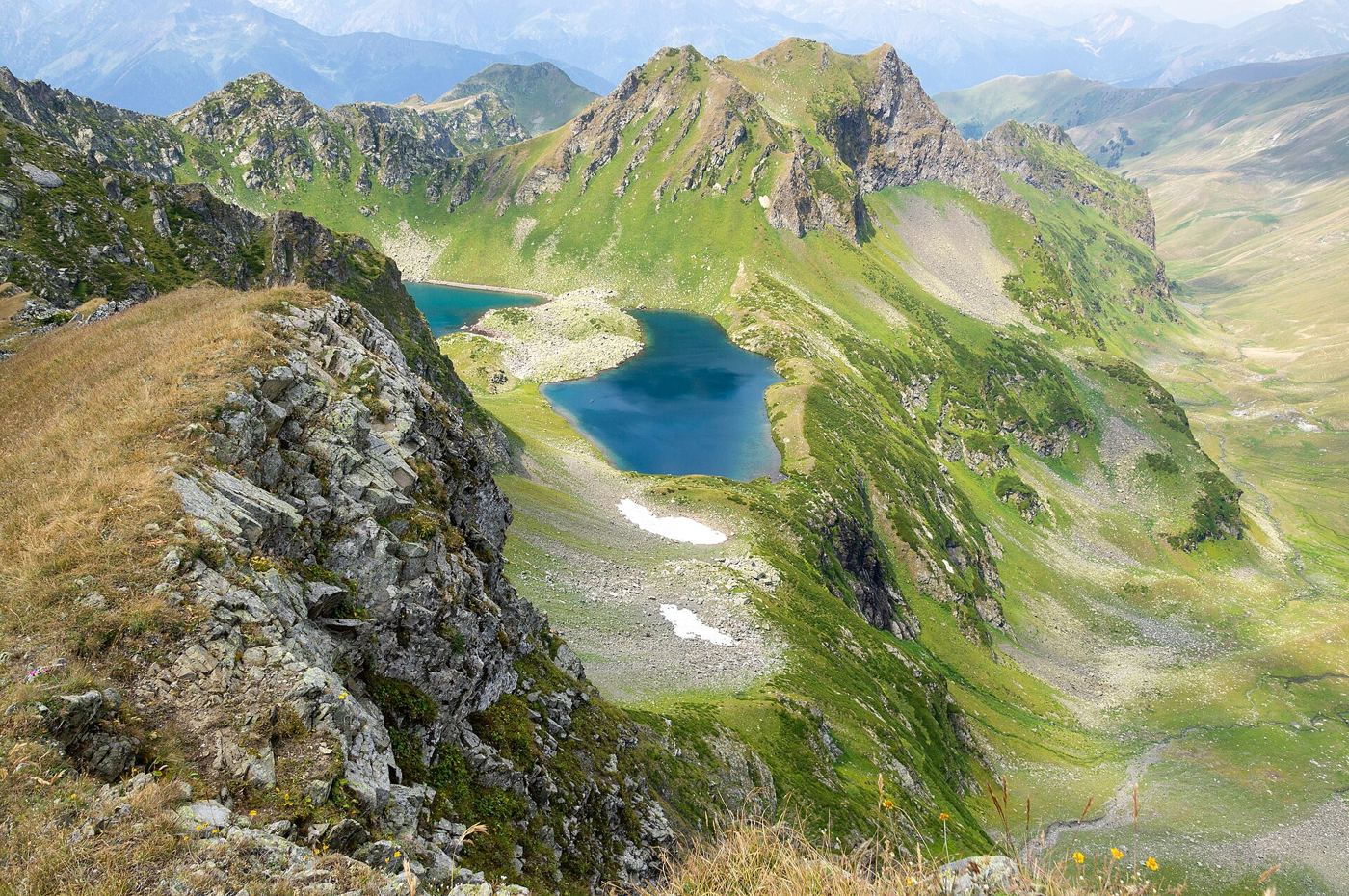
Mountain researchers are studying lakes that form beside and in front of retreating glaciers to understand how meltwater is reshaping valleys and what risks growing lakes may pose downstream. As ice thins and pulls back, water can collect in basins once held by the glacier itself, sometimes deepening quickly over a few seasons. Scientists use depth soundings, sediment samples, and regular photographs from fixed points to track these changes in a consistent way. The work also records how new shorelines affect plants, insects, and birds that colonise bare ground left behind by the ice, creating a detailed record of a landscape in transition.
What the Evidence Shows
Understanding glacier lakes is important for communities far below, because a sudden release of water after a rockfall or dam failure can damage roads, bridges, and farmland. Monitoring programmes therefore map lake size, check the stability of natural dams made of loose rock, and share warnings with local authorities where a risk is identified. Researchers stress that not every new lake is dangerous, and many become valuable habitats and water stores. By returning to the same valleys year after year, teams can separate normal seasonal filling from longer term growth, giving planners better evidence for deciding where paths, campsites, and infrastructure should be located. Reporting and analysis from sources such as NASA track the same developments, and specialists following glacier lake melting clues say the direction is now consistent across independent lines of evidence.
The Wider Context
Funding bodies are watching glacier lake melting clues closely because the work sits at the junction of basic curiosity and practical return. Grant panels increasingly ask for a path from discovery to application, while researchers push back that the most valuable uses of fundamental science are rarely the ones written into the original proposal. The tension is productive when both sides stay honest about timescales.
What Happens Next
The long view on glacier lake melting clues is that fields advance by accumulation rather than by single announcements. This result adds a solid, checkable piece to a structure many teams are building, and its authors have shared their data so the piece can be tested from every side. That is how the picture eventually becomes reliable enough to act on. You can follow related developments in our coverage of science.
It is also worth remembering how quickly the picture in this area has changed before. Positions that looked settled a few years ago have been revised as new data arrived, and the same humility is appropriate now. The strongest coverage of this subject, and the most useful advice, tends to come from sources that update their views openly when the facts move, rather than defending an earlier position long after it has stopped fitting the evidence available.
