

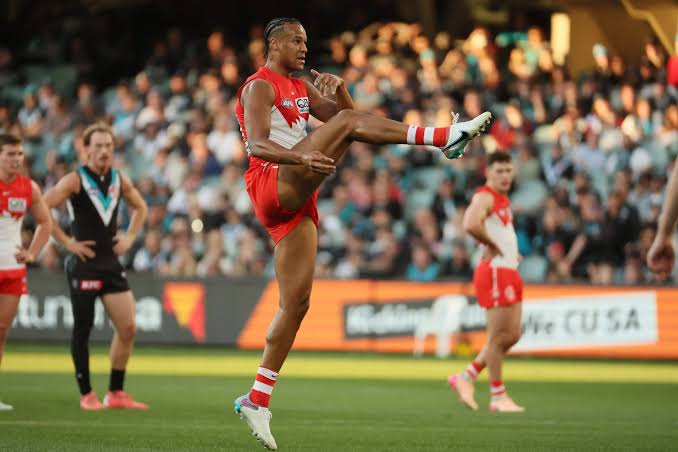
Weekend sports are a popular way for people to stay active, enjoy time with friends and maintain a healthy lifestyle. From running and cycling to football, tennis and recreational fitness activities, many Sydney residents fit their exercise around busy work and family schedules.
However, concentrating most physical activity into one or two days each week can place additional demands on the body. Without suitable preparation, recovery and consistent training habits, weekend athletes may experience muscle strains, joint discomfort and other sports-related injuries.
Staying injury-free requires more than simply warming up before a game. Athletes need to understand their physical limits, build strength gradually, maintain flexibility and give their bodies enough time to recover. Developing these habits throughout the season can help people enjoy their favourite activities while reducing the likelihood of avoidable injuries.
1. Build a Consistent Exercise Routine During the Week
One common challenge for weekend athletes is the difference between their activity levels during the week and the intensity of their weekend exercise.
Someone who spends most weekdays sitting at a desk before playing a demanding football match or completing a long run on Saturday may place sudden stress on muscles and joints.
Maintaining a consistent exercise routine can help prepare the body for these activities.
Some practical habits include:
- Taking regular walks during the week.
- Completing light cardiovascular exercise.
- Including basic strength exercises.
- Practising movements related to the chosen sport.
- Avoiding sudden increases in training intensity.
Consistency is more important than completing one extremely demanding workout. Gradually building physical activity can help improve strength, endurance and overall conditioning.
2. Recognise Early Signs of Sports Injuries
Understanding the early warning signs of an injury is important for anyone participating in regular recreational sports. Ignoring discomfort and continuing to exercise can sometimes make an existing problem worse.
Common warning signs include:
- Persistent muscle soreness.
- Joint stiffness or swelling.
- Pain during particular movements.
- Reduced flexibility.
- Difficulty bearing weight.
- Discomfort that continues after exercise.
Athletes should pay attention to changes in how their bodies feel before, during and after physical activity.
If pain persists, affects movement or returns during exercise, seeking professional assessment can help identify the underlying issue.
A sports physio sydney professional can assess movement, strength, flexibility and injury-related concerns. Early guidance may also help athletes understand appropriate recovery options and when it is safe to return to their usual activities.
3. Always Warm Up Before Playing Sports
Starting intense exercise without preparing the body can increase the risk of muscle and joint problems.
A suitable warm-up gradually increases physical activity and prepares the body for the movements required during sport.
A general warm-up can include:
- Five minutes of light jogging or brisk walking.
- Gentle movements for the shoulders, hips and ankles.
- Dynamic leg swings.
- Walking lunges.
- Sport-specific movement drills.
- Gradual increases in running speed or intensity.
For example, tennis players may include gentle lateral movements and short court sprints, while football players may practise controlled passing and changes of direction.
Warm-ups should be appropriate for the sport and the individual’s physical condition. They should prepare the body without causing unnecessary fatigue.
4. Improve Strength and Muscular Stability
Strength training can help weekend athletes develop the physical capacity needed for their chosen activities.
Different sports place different demands on the body. Running requires lower-body strength and endurance, while tennis involves repeated rotational movements and changes in direction.
A balanced strength routine may include:
- Squats.
- Lunges.
- Glute bridges.
- Calf raises.
- Planks.
- Resistance band exercises.
- Controlled upper-body strengthening movements.
Strength exercises should be performed with appropriate technique and gradually increased according to individual ability.
Developing strength around the hips, knees, ankles and core can support better movement control during recreational activities.
5. Maintain Flexibility and Mobility
Flexibility and mobility help athletes move through the ranges of motion required for their sport.
Limited movement can make certain activities more difficult, particularly those involving repeated bending, reaching, twisting or changes in direction.
Athletes can include mobility exercises as part of their weekly routine.
Examples include:
- Hip mobility movements.
- Ankle mobility exercises.
- Gentle hamstring stretches.
- Shoulder mobility drills.
- Thoracic spine rotations.
- Calf stretching.
Dynamic mobility exercises are often useful before exercise, while static stretching may be included after activity or during separate flexibility sessions.
Movements should be controlled and comfortable. Stretching should not cause sharp pain.
6. Increase Training Intensity Gradually
One of the most important ways to reduce injury risk is to avoid increasing exercise intensity too quickly.
Weekend athletes sometimes return to sport after a period of inactivity and immediately attempt to perform at their previous level.
This can place additional demands on muscles, tendons and joints that may not be adequately prepared.
A gradual approach involves:
- Increasing exercise duration progressively.
- Building running distance over time.
- Allowing recovery between demanding sessions.
- Avoiding sudden increases in training frequency.
- Adjusting exercise according to fatigue and discomfort.
Athletes returning after an injury should follow an appropriate rehabilitation and return-to-sport plan rather than relying only on how they feel during one training session.
7. Prioritise Rest and Recovery
Recovery is an essential part of maintaining physical performance throughout the season.
After demanding exercise, the body needs time to recover and adapt. Insufficient recovery can contribute to fatigue and make it harder to maintain consistent training.
Useful recovery habits include:
- Getting sufficient sleep.
- Drinking enough water.
- Eating balanced meals.
- Allowing rest days after intense exercise.
- Avoiding repeated high-intensity sessions when excessively fatigued.
- Using gentle movement on recovery days.
Athletes should also recognise the difference between ordinary post-exercise muscle soreness and pain that may indicate an injury.
Persistent or worsening symptoms should be assessed by an appropriate healthcare professional.
8. Wear Appropriate Sports Equipment and Footwear
The equipment used during sports can influence comfort, movement and injury risk.
Footwear should be suitable for the activity and the surface on which it is performed.
For example, running shoes are designed for different demands from football boots or court shoes. Wearing unsuitable footwear may affect stability and comfort during exercise.
Weekend athletes should consider:
- Choosing footwear suitable for their sport.
- Replacing heavily worn shoes.
- Checking sports equipment regularly.
- Using appropriate protective equipment.
- Ensuring clothing allows comfortable movement.
Equipment should also fit correctly and be maintained according to the manufacturer’s recommendations.
9. Understand the Importance of Proper Technique
Incorrect movement patterns can place unnecessary stress on different parts of the body.
For example, poor running mechanics, uncontrolled landing movements and incorrect lifting techniques may contribute to physical discomfort or injury.
Athletes should focus on learning the correct techniques for their activities.
This may involve:
- Receiving coaching for unfamiliar sports.
- Practising movement skills at a manageable intensity.
- Improving balance and coordination.
- Using controlled movements during strength exercises.
- Avoiding techniques that cause pain or discomfort.
Good technique supports more efficient movement and helps athletes develop confidence in their physical abilities.
10. Plan for the Entire Sporting Season
Staying injury-free should be a consistent priority rather than something athletes consider only after experiencing discomfort.
A simple seasonal plan can help people manage exercise, recovery and gradual improvements in fitness.
Consider including:
- Regular weekly exercise sessions.
- Strength and mobility training.
- Appropriate warm-up routines.
- Recovery days.
- Gradual increases in activity.
- Regular assessment of persistent physical concerns.
Athletes should also adjust their training when returning from illness, injury or an extended period of inactivity.
Helping Sydney’s Weekend Athletes Stay Active
Weekend sports offer an enjoyable way to maintain physical activity, improve fitness and connect with others. However, maintaining an active lifestyle throughout the season requires preparation, consistency and attention to recovery.
Building strength, warming up properly, improving movement technique and increasing exercise intensity gradually can help reduce avoidable injury risks. Athletes should also recognise early warning signs and seek professional assessment when pain or discomfort persists.
By developing sensible training and recovery habits, Sydney’s weekend athletes can enjoy their favourite sports more consistently and support their physical wellbeing throughout the season.