

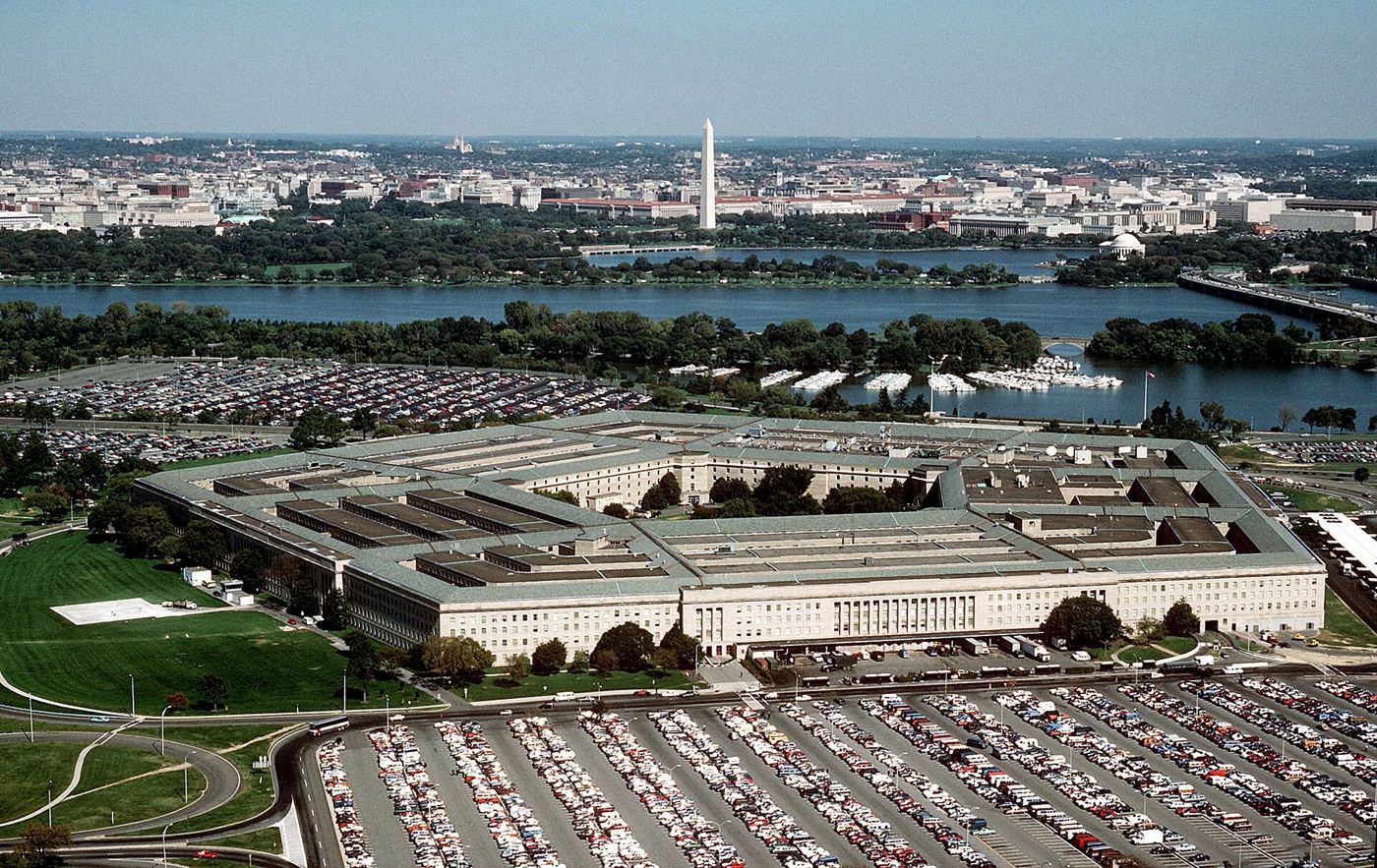
Defense Secretary Pete Hegseth has imposed new restrictions on military cooperation with Canada in a classified memo circulated last week, the Washington Post reported on 20 November 2026. The newspaper said officials familiar with the directive described the move as a slap in the face to Canada, and the precise scope of the restrictions was unclear because the newspaper had not seen the memo itself. Pentagon spokesman Sean Parnell said the department is taking steps to ensure its engagements with Canada advance tangible American defence objectives and support a reinvigorated defence relationship. Parnell said the guidance does not affect defence intelligence cooperation, the binational North American Aerospace Defense Command, or cooperation through NATO. Canadian Defence Minister David McGuinty said on 21 November that he had not seen the memo and that cooperation between the two armed forces continues as normal.
What the Evidence Shows
The dispute lands in a relationship already strained by President Donald Trump repeatedly suggesting that Canada should become the 51st American state. Senator Mike Rounds, who sits on the Senate Armed Services Committee, told reporters the memo limits meetings of senior generals to those that advance American defence objectives and requires permission for Canadian think tank events or social engagements. Rounds said the memo has no operational impact on American personnel in Canada and does not affect the North American Aerospace Defense Command, NATO operations or the Five Eyes intelligence partnership. McGuinty spoke on the sidelines of the Halifax International Security Forum and said Canadian officials were seeking clarification from Washington. The episode shows how a document that neither government has published can still shake one of the closest military partnerships in the world. Reporting and analysis from sources such as Associated Press track the same developments, and specialists following the classified memo on Canada say the direction is now consistent across independent lines of evidence.
The Wider Context
Regional and local reporting on the classified memo on Canada often tells a different story from national coverage, because the effects land unevenly: one town’s pilot is another’s distant proposal. Analysts who follow the subject full-time read the local data first, arguing that national averages conceal the variation that decides whether a policy or a project deserves to spread.
What Happens Next
The longer story of the classified memo on Canada is still being written by the people closest to it, whose experience rarely matches the earliest predictions of either supporters or critics. Reporting will continue to follow the evidence as it accumulates, including where it complicates today’s account. That is the deal serious coverage makes with its readers, and it holds for this subject as for any other. You can follow related developments in our coverage of news.
It is also worth remembering how quickly the picture in this area has changed before. Positions that looked settled a few years ago have been revised as new data arrived, and the same humility is appropriate now. The strongest coverage of this subject, and the most useful advice, tends to come from sources that update their views openly when the facts move, rather than defending an earlier position long after it has stopped fitting the evidence available.
