

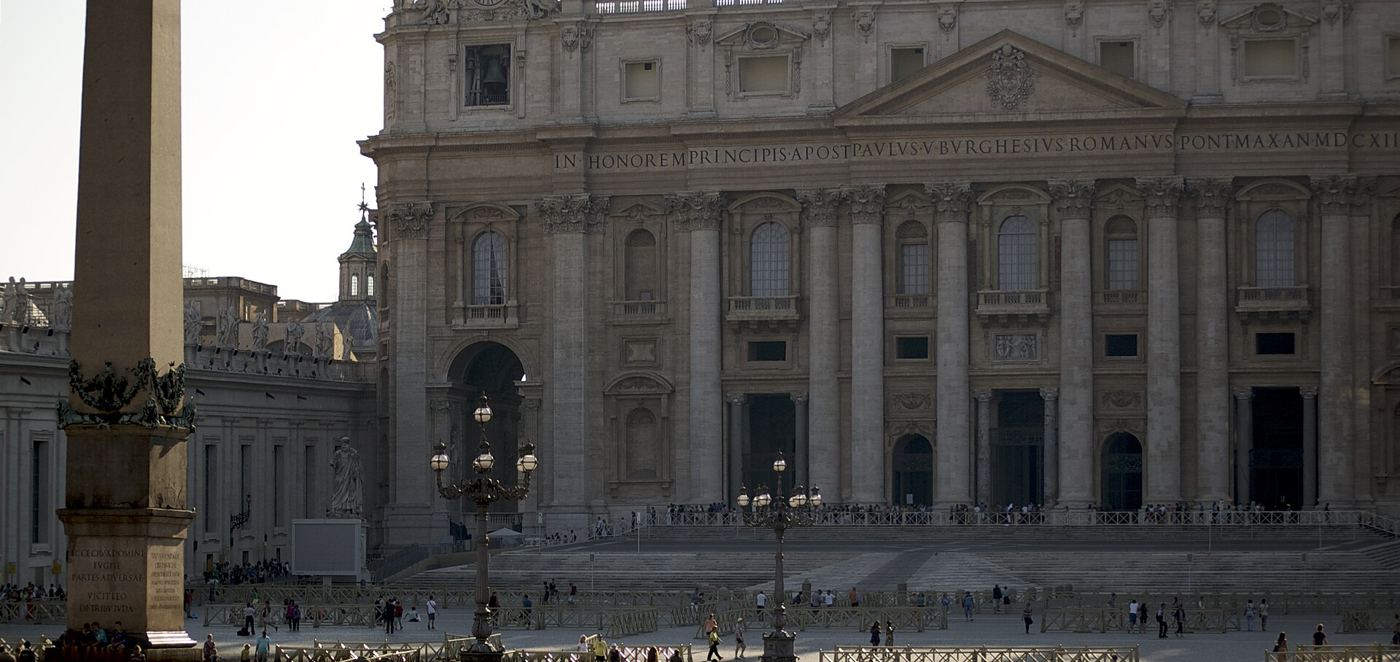
The Catholic Church elected its first American pope on 8 May 2025, when Cardinal Robert Prevost of Chicago was chosen by the conclave in the Sistine Chapel and took the name Leo XIV. Prevost, who is 69, was born in Chicago and spent much of his career as a missionary and bishop in Peru, where he also holds citizenship, before Pope Francis brought him to Rome in 2023 to lead the office that selects bishops. His election followed the death of Pope Francis on 21 April 2025, at the age of 88, after a 12-year pontificate. White smoke rose from the Sistine Chapel on the second day of the conclave, after four ballots, and crowds in St Peter’s Square cheered as the new pope appeared on the balcony of St Peter’s Basilica.
What the Evidence Shows
Leo XIV inherits a church of about 1.4 billion Catholics, with deep divisions over the direction set by Francis. He has signalled continuity with his predecessor’s emphasis on the poor, migrants and care for the environment, while also stressing the need for unity within the church. His background is unusual for a pope: he is a member of the Augustinian order, holds a degree in mathematics, and speaks English, Spanish, Italian, French and Portuguese. His first months included a strong focus on peace, with repeated appeals over the wars in Ukraine and Gaza, and a visit to Turkiye and Lebanon in late 2025. For American Catholics, his election was a moment of pride and surprise — many had assumed the cardinals would never choose a pope from the United States, the world’s most powerful country. Reporting and analysis from sources such as Associated Press track the same developments, and specialists following Pope Leo XIV, the first American pope say the direction is now consistent across independent lines of evidence.
The Wider Context
Regional and local reporting on Pope Leo XIV, the first American pope often tells a different story from national coverage, because the effects land unevenly: one town’s pilot is another’s distant proposal. Analysts who follow the subject full-time read the local data first, arguing that national averages conceal the variation that decides whether a policy or a project deserves to spread.
What Happens Next
The longer story of Pope Leo XIV, the first American pope is still being written by the people closest to it, whose experience rarely matches the earliest predictions of either supporters or critics. Reporting will continue to follow the evidence as it accumulates, including where it complicates today’s account. That is the deal serious coverage makes with its readers, and it holds for this subject as for any other. You can follow related developments in our coverage of news.
It is also worth remembering how quickly the picture in this area has changed before. Positions that looked settled a few years ago have been revised as new data arrived, and the same humility is appropriate now. The strongest coverage of this subject, and the most useful advice, tends to come from sources that update their views openly when the facts move, rather than defending an earlier position long after it has stopped fitting the evidence available.
