

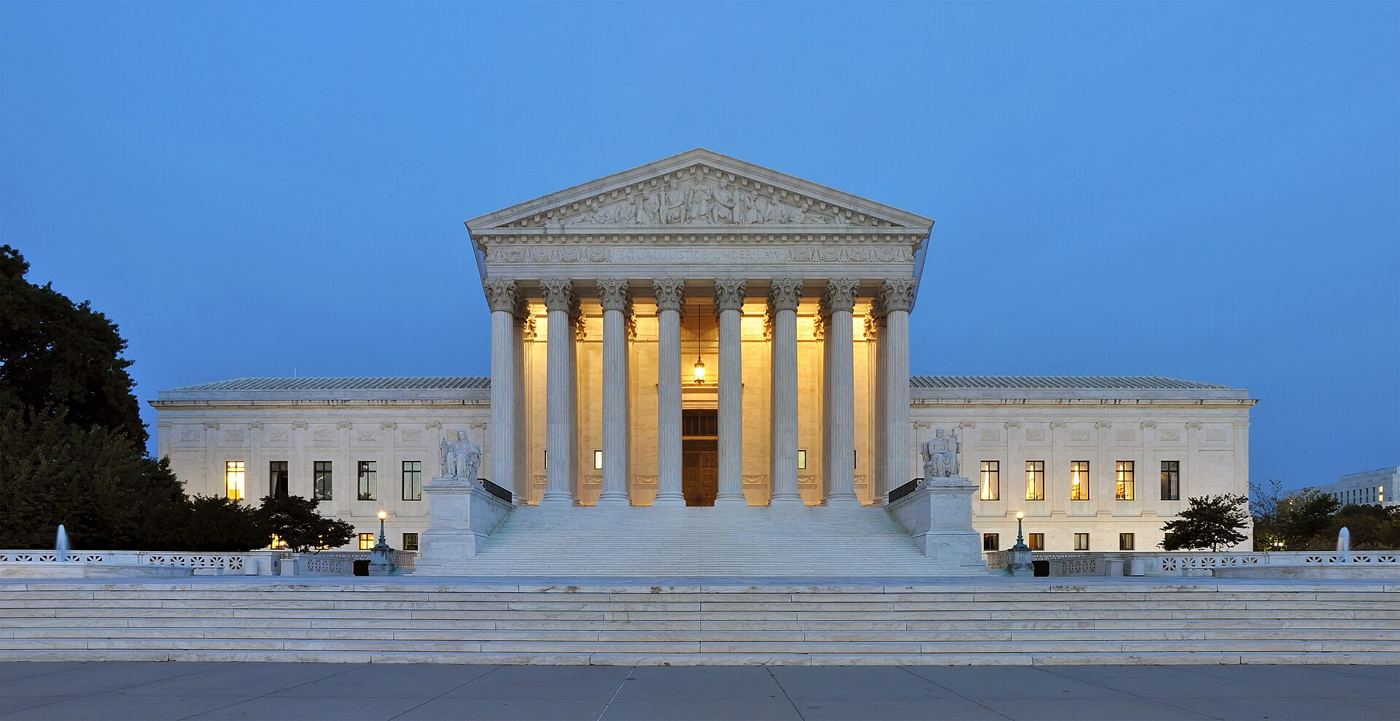
The United States Supreme Court heard oral arguments on 5 November 2026 in the case that will decide whether President Donald Trump’s sweeping tariffs are lawful. In Learning Resources v Trump, the justices must decide whether the International Emergency Economic Powers Act of 1977, a law that does not mention the word tariffs, gives the president power to impose duties on imports from more than 100 countries. Several justices appeared sceptical of the administration’s case, questioning whether Congress had really delegated its taxing power to the president. Justice Neil Gorsuch described the tariffs as a one-way ratchet towards the continual accretion of power in the executive branch. Lower courts had already ruled against the administration, and a decision is expected in early to mid-December 2026. The case, brought by small businesses and several states, argues that only Congress has the constitutional power to impose taxes, including tariffs on imported goods.
What the Evidence Shows
The stakes extend far beyond the courtroom. The tariffs are central to the administration’s trade policy, and businesses have paid billions in duties whose fate is now uncertain. Justice Amy Coney Barrett described the question of refunds as a mess, while the administration’s lawyers acknowledged that if the tariffs fall, they could simply be reissued under other laws, such as the trade statutes known as Section 232 and Section 301, and litigated all over again. The case is also a test of the major questions doctrine, which requires clear congressional authorisation for decisions of vast economic significance. Whatever the court decides, the ruling will shape the balance of power between Congress and the president over trade for years to come. Trade lawyers note that the court’s ruling will also affect hundreds of billions of dollars in duties already collected, and the question of refunds may take years to resolve. Reporting and analysis from sources such as Associated Press track the same developments, and specialists following Supreme Court tariff hearing say the direction is now consistent across independent lines of evidence.
The Wider Context
Regional and local reporting on Supreme Court tariff hearing often tells a different story from national coverage, because the effects land unevenly: one town’s pilot is another’s distant proposal. Analysts who follow the subject full-time read the local data first, arguing that national averages conceal the variation that decides whether a policy or a project deserves to spread.
What Happens Next
The longer story of Supreme Court tariff hearing is still being written by the people closest to it, whose experience rarely matches the earliest predictions of either supporters or critics. Reporting will continue to follow the evidence as it accumulates, including where it complicates today’s account. That is the deal serious coverage makes with its readers, and it holds for this subject as for any other. You can follow related developments in our coverage of news.
It is also worth remembering how quickly the picture in this area has changed before. Positions that looked settled a few years ago have been revised as new data arrived, and the same humility is appropriate now. The strongest coverage of this subject, and the most useful advice, tends to come from sources that update their views openly when the facts move, rather than defending an earlier position long after it has stopped fitting the evidence available.
