

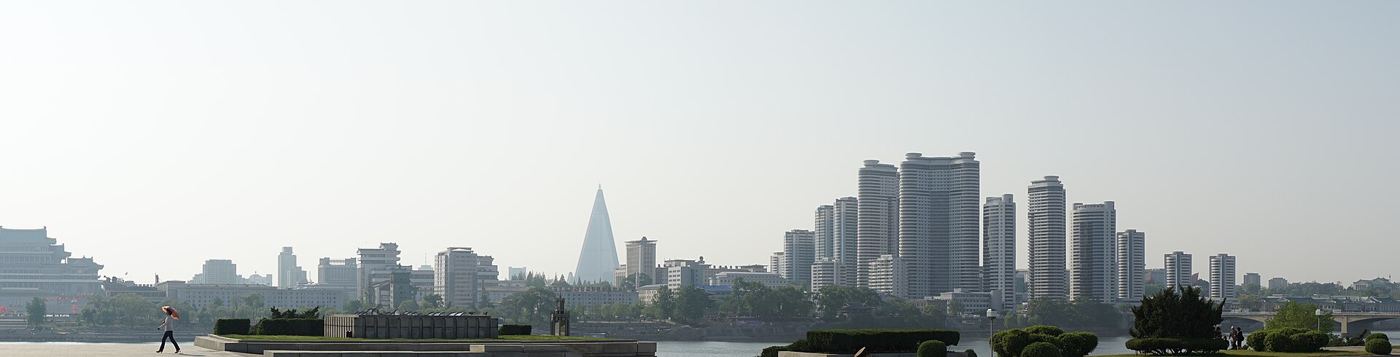
President Donald Trump is willing to meet North Korean leader Kim Jong Un, Secretary of State Marco Rubio said on Wednesday, stressing that engaging with adversaries should not be viewed as a concession. Rubio said no talks have been confirmed, but made clear that the president remains open to direct diplomacy with Pyongyang. The comments came as the administration reviews its approach to North Korea, whose nuclear and missile programmes have continued to advance despite years of sanctions. A meeting between the two leaders would be closely watched around the world, because their earlier summits produced bold promises but little lasting progress. Diplomats caution that any new encounter would need careful preparation to avoid repeating the disappointments of the past. The White House declined to say whether any contact with Pyongyang had taken place, and officials in Seoul said they would welcome any dialogue that reduced tensions on the peninsula, while insisting that South Korea must be closely involved in any talks that affect its security.
What the Evidence Shows
Trump and Kim met three times between 2018 and 2019, in Singapore, Hanoi and at the Korean Demilitarized Zone, in encounters that once seemed unthinkable. The talks raised hopes of a deal to trade sanctions relief for steps towards denuclearisation, but the negotiations collapsed in Hanoi and never recovered. Since then, North Korea has expanded its arsenal and deepened its ties with Russia, while the United States has maintained its sanctions. Supporters of engagement argue that only direct talks between leaders can break the deadlock, while critics warn that summits can hand Kim legitimacy without securing real concessions. Whether a meeting happens will depend on quiet diplomacy in the weeks ahead and on what each side is prepared to offer. Analysts note that the strategic landscape has changed since the last summits, because North Korea now has a larger arsenal, closer ties with Russia and less need for American sanctions relief, which means any new negotiation would start from a very different position. Reporting and analysis from sources such as Associated Press track the same developments, and specialists following Trump open to meeting Kim Jong Un say the direction is now consistent across independent lines of evidence.
The Wider Context
Regional and local reporting on Trump open to meeting Kim Jong Un often tells a different story from national coverage, because the effects land unevenly: one town’s pilot is another’s distant proposal. Analysts who follow the subject full-time read the local data first, arguing that national averages conceal the variation that decides whether a policy or a project deserves to spread.
What Happens Next
The longer story of Trump open to meeting Kim Jong Un is still being written by the people closest to it, whose experience rarely matches the earliest predictions of either supporters or critics. Reporting will continue to follow the evidence as it accumulates, including where it complicates today’s account. That is the deal serious coverage makes with its readers, and it holds for this subject as for any other. You can follow related developments in our coverage of news.
It is also worth remembering how quickly the picture in this area has changed before. Positions that looked settled a few years ago have been revised as new data arrived, and the same humility is appropriate now. The strongest coverage of this subject, and the most useful advice, tends to come from sources that update their views openly when the facts move, rather than defending an earlier position long after it has stopped fitting the evidence available.
