

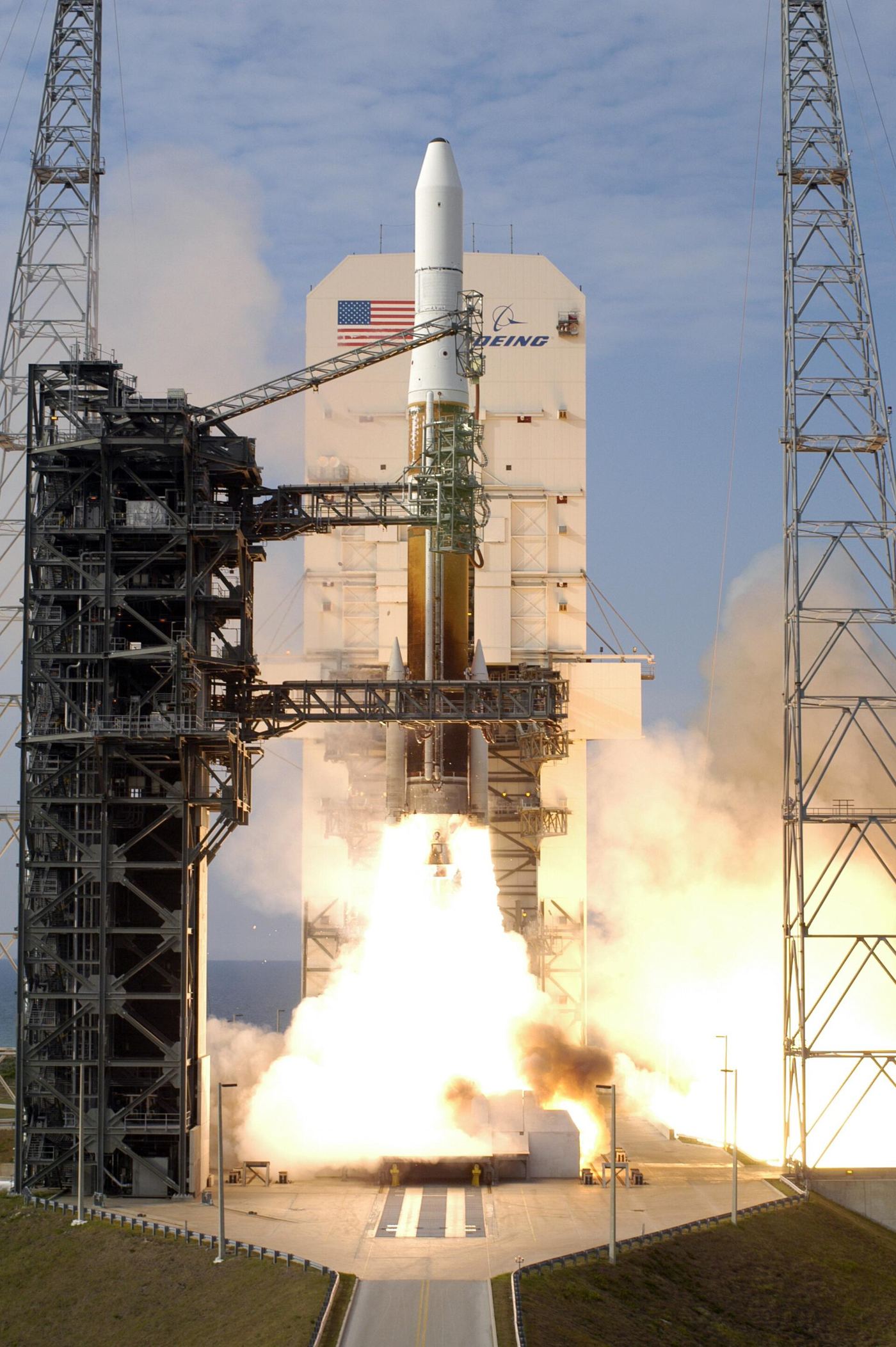
A Vulcan rocket operated by United Launch Alliance, a joint venture of Boeing and Lockheed Martin, failed nearly ten minutes after liftoff from Florida, destroying all 40 Amazon Leo internet satellites on board. The mission was meant to add to Amazon’s growing constellation of broadband satellites, which aims to compete with SpaceX’s Starlink network. Instead the vehicle was lost during flight, in a serious setback for both the rocket programme and Amazon’s plans to roll out global internet coverage from low Earth orbit. The satellites were part of Amazon’s Project Kuiper, a planned network of more than 3,000 spacecraft intended to deliver broadband internet to homes and businesses around the world. The loss is a blow to the project, which is already competing against a rival constellation that has been launching for years and already serves millions of customers.
What the Evidence Shows
Investigators will now examine telemetry and debris data to establish what went wrong, while Amazon assesses the impact on its deployment schedule. Losing 40 satellites in a single failure is costly, but constellation operators build their plans around the expectation that some launches will fail, and replacement spacecraft are usually already in production. The incident also puts fresh scrutiny on the Vulcan rocket, which is central to United Launch Alliance’s future and to several United States government missions. A return to flight will depend on identifying and fixing the fault. United Launch Alliance will now work with regulators and insurers to determine the cause, a process that can take weeks or months, and the findings will shape when the rocket is cleared to fly again. For Amazon, the setback underlines the risks of building a satellite network, where each launch carries millions of dollars of hardware and a single failure can delay service by months. Reporting and analysis from sources such as Associated Press track the same developments, and specialists following the Vulcan rocket failure that destroyed 40 satellites say the direction is now consistent across independent lines of evidence.
The Wider Context
Regional and local reporting on the Vulcan rocket failure that destroyed 40 satellites often tells a different story from national coverage, because the effects land unevenly: one town’s pilot is another’s distant proposal. Analysts who follow the subject full-time read the local data first, arguing that national averages conceal the variation that decides whether a policy or a project deserves to spread.
What Happens Next
The longer story of the Vulcan rocket failure that destroyed 40 satellites is still being written by the people closest to it, whose experience rarely matches the earliest predictions of either supporters or critics. Reporting will continue to follow the evidence as it accumulates, including where it complicates today’s account. That is the deal serious coverage makes with its readers, and it holds for this subject as for any other. You can follow related developments in our coverage of news.
It is also worth remembering how quickly the picture in this area has changed before. Positions that looked settled a few years ago have been revised as new data arrived, and the same humility is appropriate now. The strongest coverage of this subject, and the most useful advice, tends to come from sources that update their views openly when the facts move, rather than defending an earlier position long after it has stopped fitting the evidence available.
