

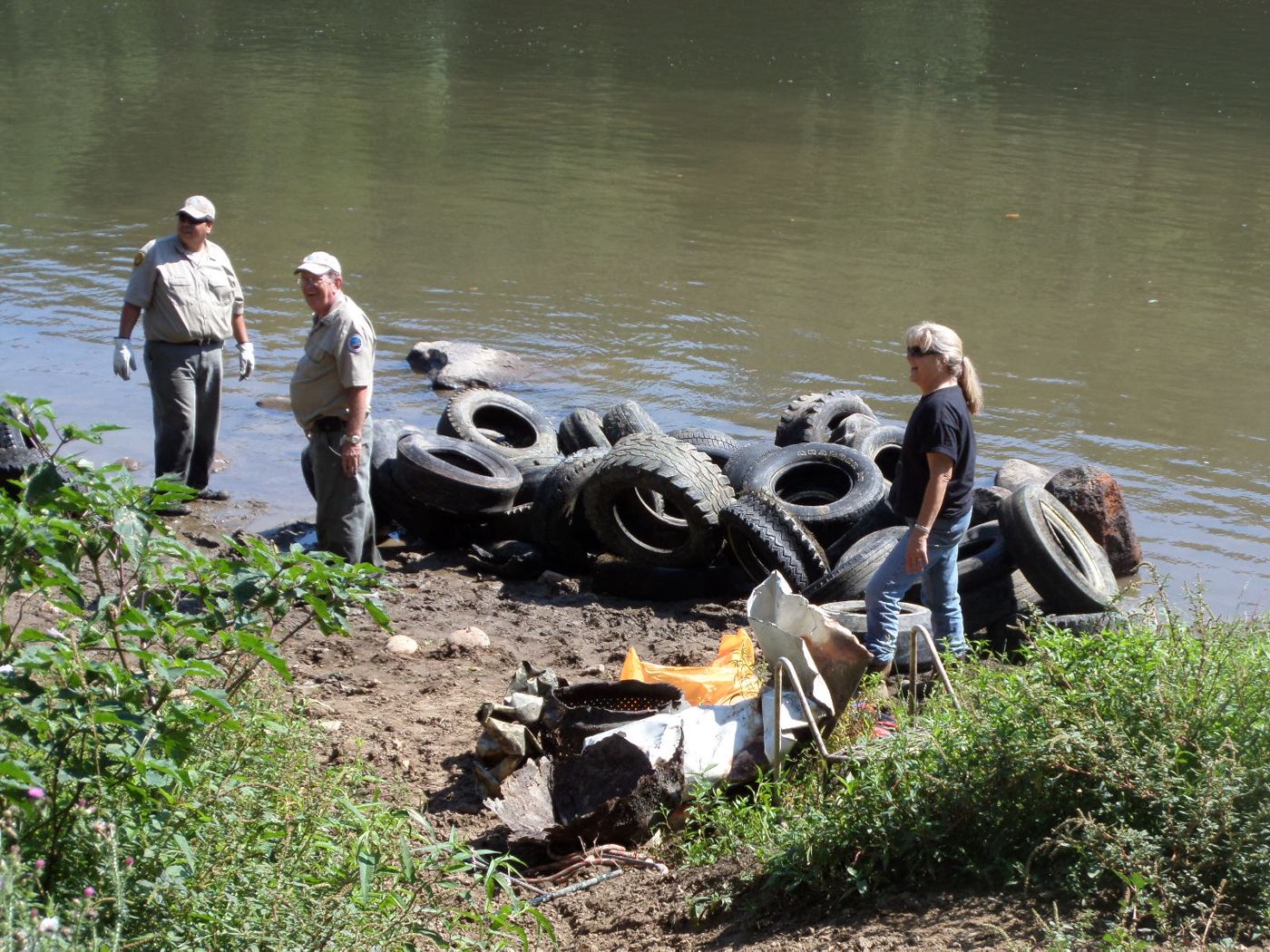
Along the banks of rivers that were once choked with rubbish and smothered by weeds, volunteers in waders and gloves are working to bring the water back to life. River groups, often started by a handful of neighbours, now organise regular clean-ups, pulling out shopping trolleys, plastic bottles and tangled fishing line, and cutting back the plants that block the flow. They also plant native trees and wildflowers along the banks, creating shade that keeps the water cool and shelter for birds, fish and insects. Wildlife experts say the work is paying off, with kingfishers, otters and trout returning to stretches of river where they had not been seen for years. Local people say the river has become a place to walk, to watch wildlife and to take children, where once it was a place to avoid. Councils and water companies now support many of the groups, providing tools, training and help with removing the rubbish that volunteers collect.
What the Evidence Shows
Ecologists say the volunteers are doing work that matters far beyond their own stretch of river, since healthy rivers clean the water, store floodwater and support wildlife across whole landscapes. They explain that a river with natural banks and varied depths holds far more life than a straightened channel, and that even small changes, such as leaving a fallen tree in the water, create homes for fish and insects. The groups also watch for pollution, reporting spills and outfalls to the authorities, and some test the water each month to track its health. The volunteers say the work is muddy, cold and often wet, but that the reward is seeing a river they love come back to life. For the towns beside them, the rivers are becoming a source of pride again, and the message from the volunteers is that anyone can help, with a pair of gloves and a free morning. Reporting and analysis from sources such as Associated Press track the same developments, and specialists following the river restoration volunteers say the direction is now consistent across independent lines of evidence.
The Wider Context
Regional and local reporting on the river restoration volunteers often tells a different story from national coverage, because the effects land unevenly: one town’s pilot is another’s distant proposal. Analysts who follow the subject full-time read the local data first, arguing that national averages conceal the variation that decides whether a policy or a project deserves to spread.
What Happens Next
The longer story of the river restoration volunteers is still being written by the people closest to it, whose experience rarely matches the earliest predictions of either supporters or critics. Reporting will continue to follow the evidence as it accumulates, including where it complicates today’s account. That is the deal serious coverage makes with its readers, and it holds for this subject as for any other. You can follow related developments in our coverage of news.
It is also worth remembering how quickly the picture in this area has changed before. Positions that looked settled a few years ago have been revised as new data arrived, and the same humility is appropriate now. The strongest coverage of this subject, and the most useful advice, tends to come from sources that update their views openly when the facts move, rather than defending an earlier position long after it has stopped fitting the evidence available.
