

JRPGs used to be a tough sell to anyone outside the dedicated gaming community. Try explaining a ninety-hour game about high school students fighting manifestations of psychological trauma to your friend who plays FIFA on weekends. The pitch sounds absurd. And yet, Persona 5 did not just succeed commercially. It became a genuine pop culture touchstone. The art style influenced fashion and graphic design. The soundtrack charted on Spotify and Apple Music. Joker appeared in Super Smash Bros. A character from a niche Japanese RPG stood alongside Mario and Link. That is a crossover event that would have been unthinkable a decade earlier.
The breakthrough did not happen because JRPGs suddenly changed what they were. They did not dumb down their stories or shorten their playtimes to accommodate mainstream attention spans. What changed was presentation quality. The production values of modern JRPGs caught up to their narrative ambition. High-fidelity graphics, professional voice acting with A-list talent, cinematic cutscenes that rival animated films. The barrier was never the content. It was the packaging.
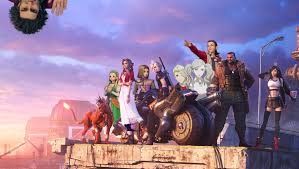
Final Fantasy has been the franchise most consistently positioned at the intersection of JRPG and mainstream culture. FFVII’s cultural impact in 1997 was a preview of what was possible, but it took the FFVII Remake project to fully actualize that crossover potential for a modern audience. Celebrity voice casts, Hollywood-quality motion capture, and a marketing budget comparable to major film releases put the game in front of audiences who had never touched the original. The result was a game that functioned simultaneously as a love letter to longtime fans and an accessible entry point for total newcomers.
Persona’s crossover trajectory is arguably more interesting because it happened organically. There was no massive marketing push behind Persona 5’s cultural penetration. The game’s aesthetic was simply so distinctive and so polished that it spread through social media on its own merits. Fan art exploded across platforms. Cosplay of the Phantom Thieves became a convention staple. The music crossed over into lo-fi study playlists and jazz appreciation communities. For a detailed look at how each entry in the franchise contributed to building this cultural momentum, the Persona games reviewed resource at Icicle Disaster traces the series from its cult origins to its current mainstream status.
The anime adaptation pipeline has helped JRPGs reach audiences who might never pick up a controller. Persona 5 The Animation, Tales of Zestiria the X, and the upcoming adaptations of various JRPG properties introduce these stories to viewers who consume entertainment exclusively through streaming services. The quality of these adaptations varies enormously, but even a mediocre anime adaptation of a great JRPG generates awareness that translates into game sales.
Music is perhaps the most underappreciated vector for JRPG crossover into wider pop culture. NieR Automata’s soundtrack has been performed by full orchestras at sold-out concert venues worldwide. The Distant Worlds Final Fantasy concert series has been touring internationally since 2007. Persona 5’s acid jazz soundtrack has millions of streams from listeners who have never played the game. JRPG composers like Yoko Shimomura, Nobuo Uematsu, and Shoji Meguro are recognized names in music communities that have no connection to gaming.
Merchandise and fashion represent another crossover channel. Uniqlo and other mainstream fashion brands have released JRPG collaboration lines featuring designs from Final Fantasy, Dragon Quest, and NieR. The Persona 5 aesthetic specifically has influenced streetwear design in ways that extend well beyond licensed products. The bold red and black color scheme, the angular typography, and the mask motif have all appeared in independent fashion collections that cite the game as a direct inspiration.
What all of these crossover channels have in common is that they let JRPG culture reach people on their own terms. Not everyone will commit ninety hours to a video game. But they might listen to a playlist, attend a concert, watch an anime, buy a shirt, or see fan art on their social media feed. Each of these touchpoints creates a potential entry point, and enough entry points eventually add up to a cultural presence that transcends the gaming community entirely.
JRPGs have not become mainstream by compromising what makes them distinctive. They became mainstream because the rest of culture finally caught up to what they had been doing all along. Telling big, ambitious, emotionally complex stories with striking visual identities and unforgettable music. The gaming community knew this for decades. Now everyone else is starting to figure it out too.
The merchandise pipeline has created its own self-sustaining cycle. JRPG characters appear on clothing, figures, accessories, and home goods sold at mainstream retailers. This visibility normalizes the genre for consumers who might never visit a gaming-focused store. A teenager sees a Persona 5 t-shirt at a clothing store, looks it up online, watches a few clips, and becomes curious enough to try the game. The path from cultural artifact to active player base is shorter than it has ever been, and each new cultural touchpoint creates another potential convert.
